
Five decades of ceramics, tourism, design and the possibility of a new role in Bali’s art ecosystem
What does a ceramic plate tell us about Bali? Perhaps more than we might expect.
Bali has a long history of ceramic production, from community-based pottery traditions such as Pejaten to the contemporary ceramics found today in hotels, restaurants and homes around the world. Jenggala belongs to a very different chapter of that history—one shaped by Bali’s modern tourism and hospitality industry.
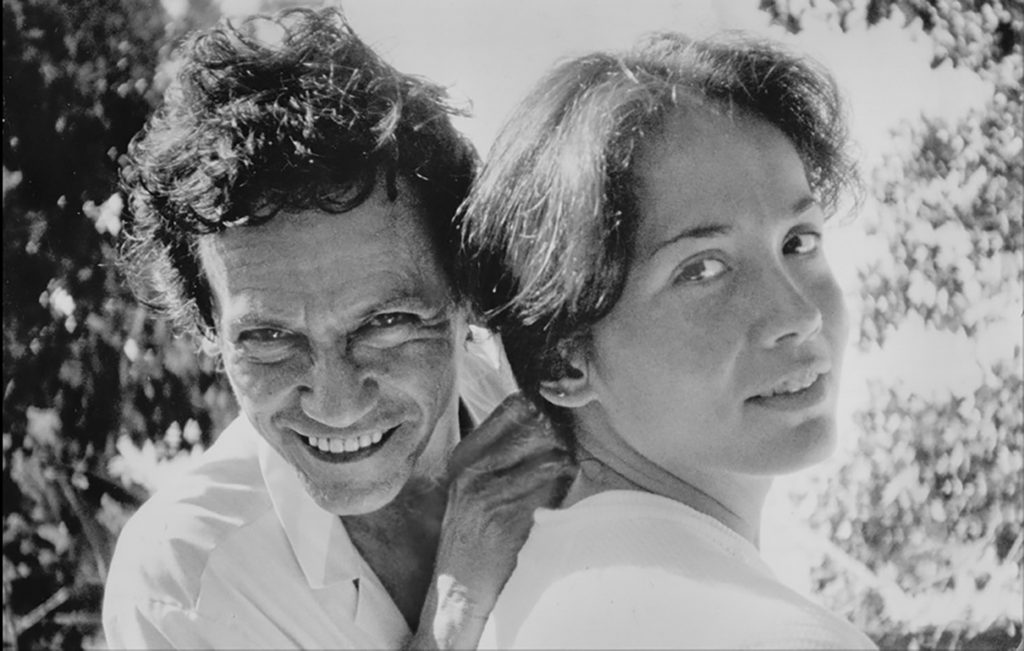
Founded in 1976, Jenggala began with a practical need at Tandjung Sari Hotel in Sanur. Wija Waworuntu and New Zealand ceramic potter Brent Hesselyn developed the first workshop to produce ceramic tableware and wellness products for the hotel and its bungalows. As Bali’s hospitality industry expanded, so did the demand for locally produced ceramics.
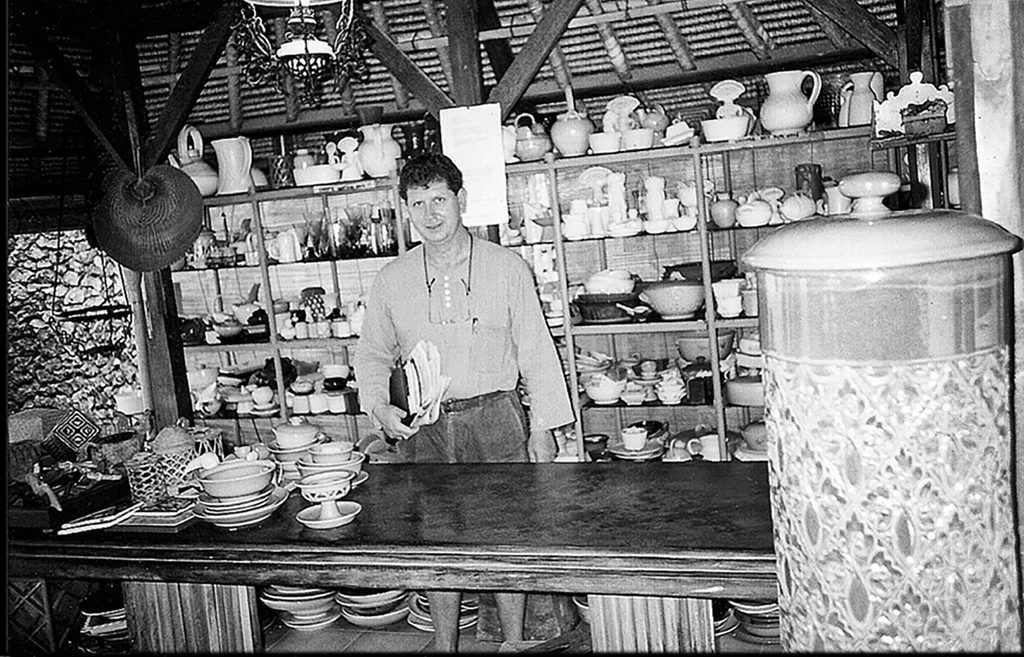
Jenggala’s history is therefore inseparable from the development of modern tourism in Bali.
More than a “Balinese” ceramic
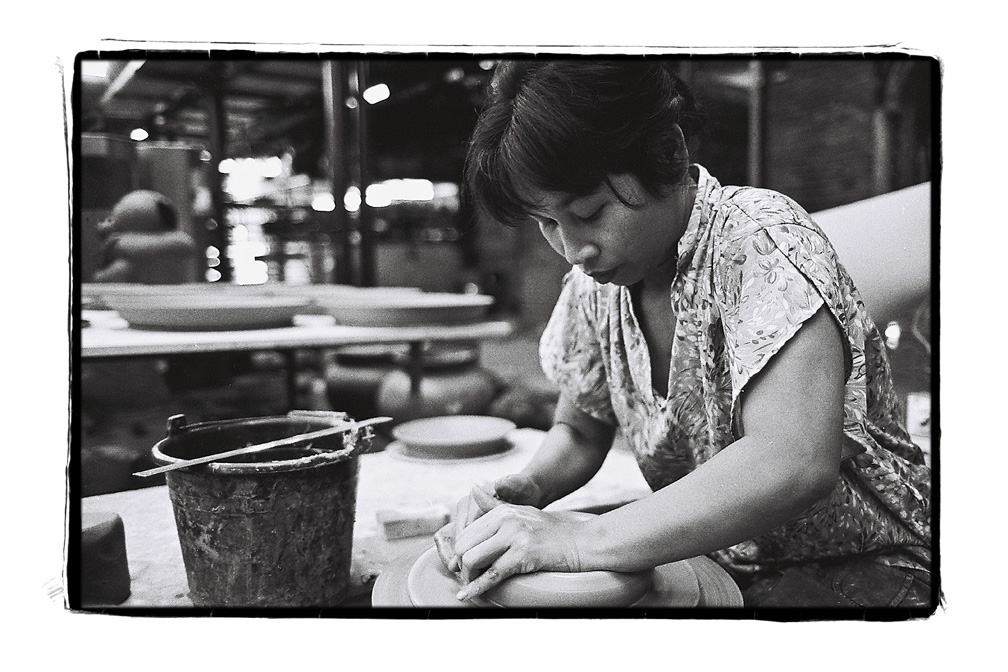
It would be easy to describe Jenggala simply as a Balinese ceramic brand. But its character is more nuanced. Over five decades, Jenggala says it has developed more than 7,000 designs and hundreds of glaze colours, combining Indonesian-inspired design with handmade production in Bali. Rather than reproducing a fixed set of traditional Balinese forms, Jenggala has developed through a continuous negotiation between cultural references, material experimentation, function and contemporary hospitality. That is perhaps what distinguishes it from many other ceramic producers.
Its design language is not simply about making something “look Balinese”. It is about translating Indonesian references into objects that belong to contemporary everyday life—whether on a restaurant table in Bali, inside a hotel overseas, or in someone’s home.
Jenggala’s design and craftsmanship has been recognised far beyond Bali. In 2010, the UNESCO Award of Excellence for Handicrafts was presented to Jenggala for its Modern Kendi and Rantang collections — a recognition of the collective work of the whole Jenggala team. The classic Jenggala Frangipani collection won the INACRAFT Best Prize in the Ceramics Category, and in 2016, Forbes named Jenggala among its Rising Global Star Brands.
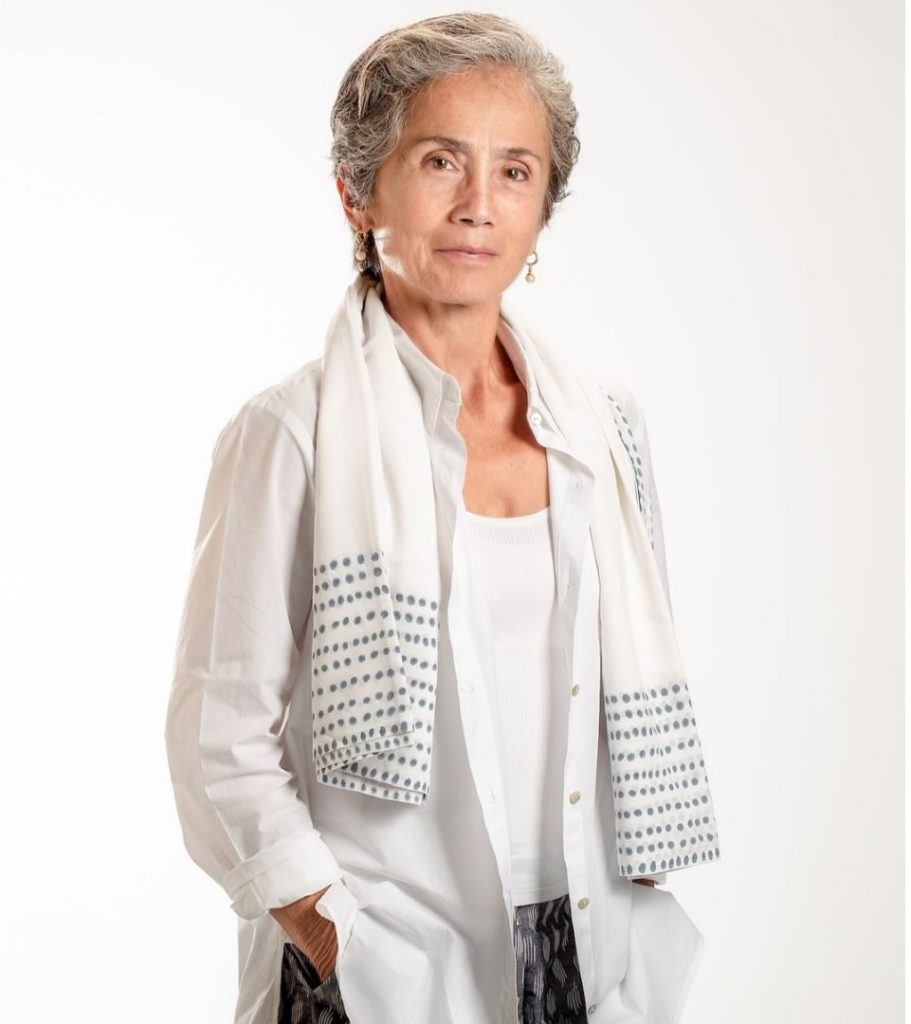
“Our creativity starts with an inspiration that comes to life through the skills and hands of our artisans. Our team is inseparable from Jenggala’s story and brand — without our people, there would be no Jenggala”, says Ade Waworuntu, Jenggala’s President Director
For Ade, maintaining this handmade character is also a conscious choice. Jenggala’s production may be substantial, but she distinguishes the company from fully automated ceramic manufacturers: “Jenggala is not like that, and will never be.” This positioning helps explain Jenggala’s particular character: somewhere between craft and design, between handmade production and an international commercial industry.
When tourism shapes design
Tourism does more than create hotels and restaurants. It also creates demand for furniture, textiles, lighting, tableware and other objects that help construct a sense of place. Jenggala became part of this ecosystem.
Its ceramics entered the hospitality environment not merely as souvenirs, but as functional objects embedded within the experience of hotels, restaurants and spas. The company eventually expanded from its original Sanur workshop to a larger production facility in Jimbaran in 1999. This makes Jenggala an interesting case study in Bali’s design history: a local company that grew alongside tourism while developing its own design vocabulary and production expertise.

From ceramic company to creative infrastructure
Perhaps the more interesting question at 50 is what Jenggala could become next. Its relationship with artists already offers some clues. Balinese ceramic artist Agung Ivan worked in Jenggala’s Research, Analysis & Development department between 2000 and 2005 before developing his own artistic practice and becoming involved in Indonesia’s contemporary ceramic scene.
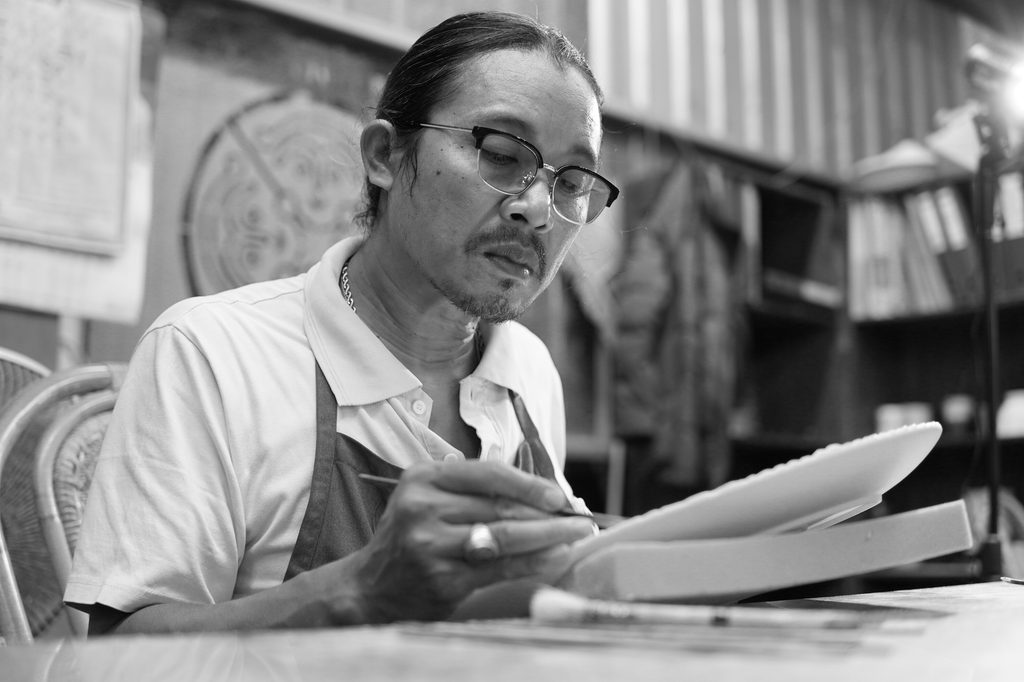
Jenggala has also been involved in Semesta Terumbu Karang (Coral Universe), a large ceramic installation at the Coral Triangle Center in Sanur, created by US artist Courtney Mattison together with Indonesian artists including Ricko Gabriel, Alfiah Rahdini, Sasanti Puri Ardini and Agung Ivan. The project brought together ceramic production, environmental awareness and community participation. More recently, Yogyakarta artist Mulyana undertook a residency at Jenggala, translating his distinctive visual language into hand-painted ceramic works. These collaborations point to an interesting possibility. Jenggala also collaborates on design with Indonesian and international artists — from the UWI collection, created in-house by the Jenggala team, to an intricate tableware range developed with Japanese ceramic artist Tomoko Konno
Jenggala’s greatest creative resource may no longer be only the products it produces, but the knowledge, people, materials and technical infrastructure accumulated over five decades. For artists, access to that infrastructure can open possibilities that are difficult to achieve independently. For Jenggala, working with artists can push its ceramic practice beyond tableware and into experimentation, research and contemporary art.
The challenge is to make these collaborations more than simply artist-branded products. The more interesting possibility is for Jenggala to become a place where artists and designers can research, experiment and produce, with its artisans and technical teams becoming part of the creative process.
Looking beyond 50
Jenggala’s 50-year history offers a way to read Bali’s own transformation, from traditional craft communities to a tourism-driven creative economy, and increasingly toward a more interconnected landscape of art, design and making. Jenggala has already become part of Bali’s modern design history. Its next chapter could be about how that history becomes an active resource for the contemporary art scene. Not by becoming an art gallery, and not by abandoning its identity as a ceramic maker, but by opening up the workshop itself—as a space of knowledge, experimentation and exchange.
After five decades, perhaps the most interesting question is no longer what Jenggala has made. It is what it can make possible next.
As Jenggala marks this special anniversary year, the festivities will culminate on Saturday, 26 September 2026, with a Pasar Malam themed evening at Jenggala’s flagship store in Jimbaran — an evening celebrating Jenggala’s journey over the last fifty years with patrons, partners, long-time loyal supporters, and the craftspeople who have contributed to and shaped its journey. To spread the joy, Jenggala will offer a one-time 50% discount on selected classic collections, giving collectors and guests a chance to bring home designs from Jenggala’s rich history, including timeless favourites from the Patra Punggel, Classic, and Cloud collections.
“Jenggala has been part of my life since I was a child,” says Ade Waworuntu. “Celebrating 50 years of Jenggala means celebrating the lives of my late father, Wija, and the late Brent Hesselyn, as well as everyone who has become part of the Jenggala family, from day one until today.”